
The type of concrete sealer you choose determines whether a slab stays protected for three years or fifteen. The five main concrete sealer types fall into two families: film-forming sealers that sit on top of the concrete, and penetrating sealers that soak in and react below the surface. Picking the wrong family for the job, especially on a Georgia driveway, can actually trap moisture inside the slab instead of keeping it out.
Atlanta Concrete Coatings has worked with both categories across Metro Atlanta and North Georgia, where red clay soil and humidity push moisture up through concrete year-round. This article discusses each sealer type, what it’s built for, and how to match the right chemistry to your driveway, patio, basement, or garage floor.
Film-Forming Sealers: The Surface Shield
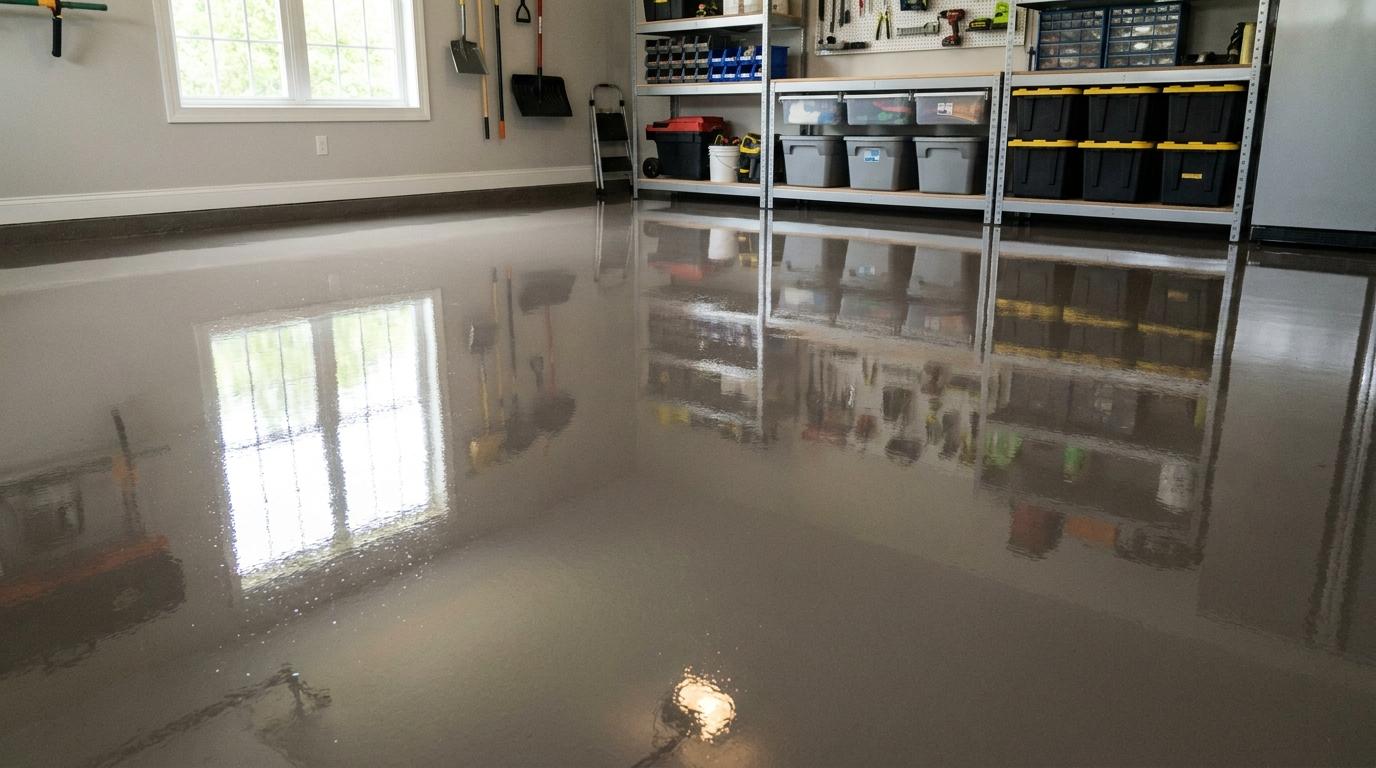
Film-forming sealers create a protective layer on top of the concrete. They change how the floor looks and feels, adding gloss or deepening color. However, they wear from the top down under traffic, UV, and chemical contact.
Acrylic sealers are affordable and easy to apply, popular on stamped patios, but last only 2 to 5 years and soften in Georgia’s summer heat. Epoxy sealers form a harder, chemical-resistant film lasting 5 to 10 years indoors. Though standard epoxy yellows under UV, so it belongs in garages and basements. Polyurethane sealers offer better UV resistance and flexibility, often applied as a clear topcoat over epoxy or acrylic.
Penetrating Sealers: Protection From Within
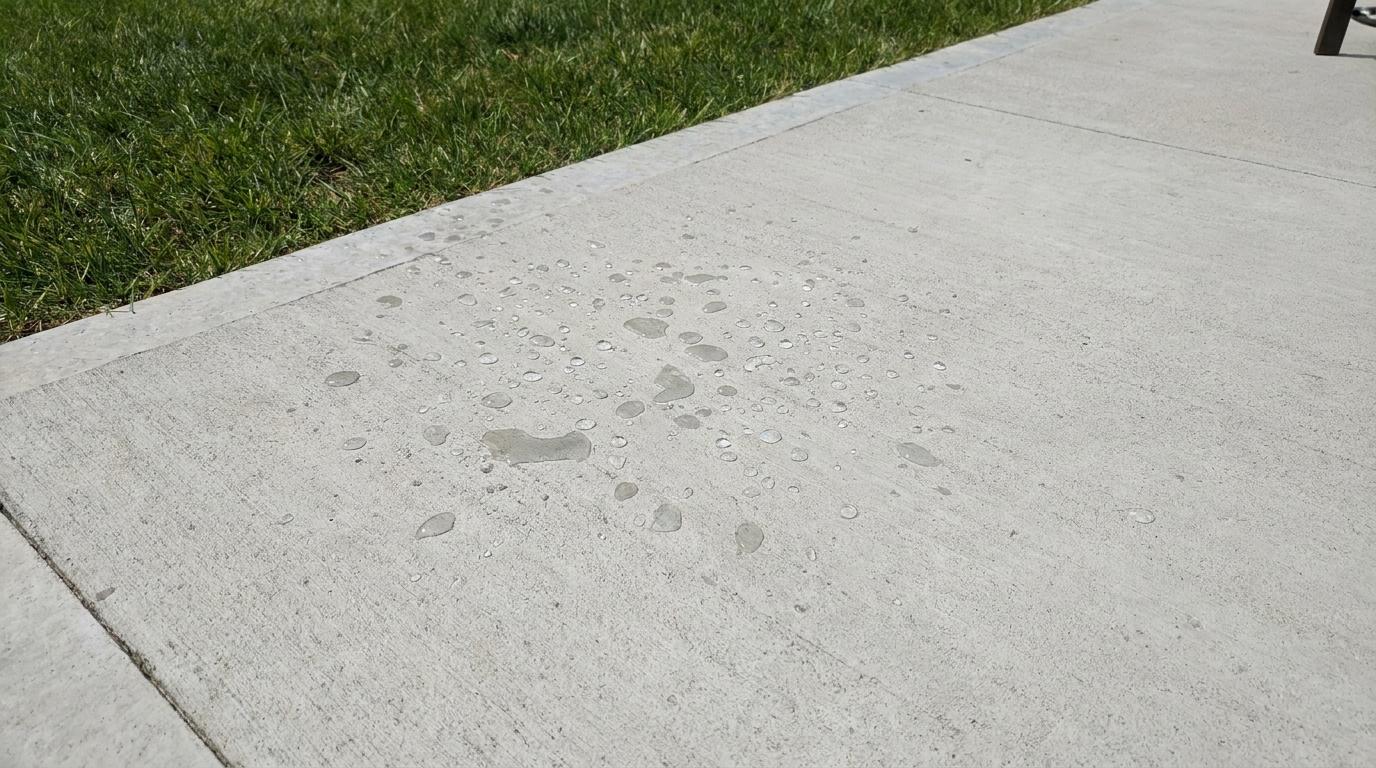
Penetrating sealers soak into the concrete’s pores and react chemically to form a water-repellent barrier below the surface. They leave the slab looking completely unchanged, no gloss, no film, no color shift, which makes them the right call when the concrete itself is the finish.
Silane sealers penetrate deepest and last 7 to 10 years, ideal for surfaces exposed to standing water. Siloxane sealers cost less with reliable repellency. Siliconate sealers are used as densifiers during the concrete polishing process. All three let the slab breathe, a critical advantage in Georgia’s climate.
Which Sealer Works Best in Georgia’s Climate
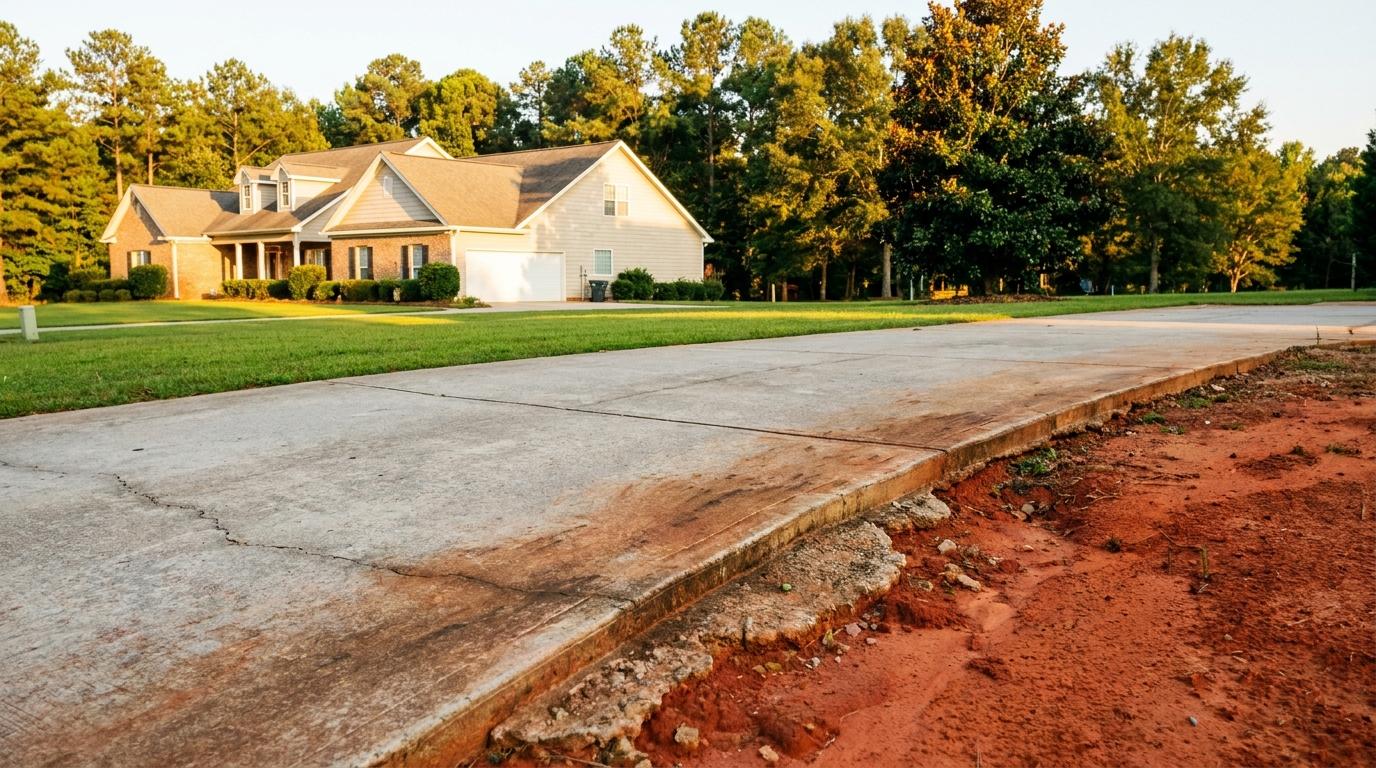
Georgia’s red clay soil holds water against the underside of the slab year-round. When a film-forming sealer goes over concrete with no vapor barrier, moisture rising from the soil gets trapped beneath the film. That trapped vapor pressure causes sealers to blister, cloud, and peel. These are the most common sealer-related issues we see across Metro Atlanta.
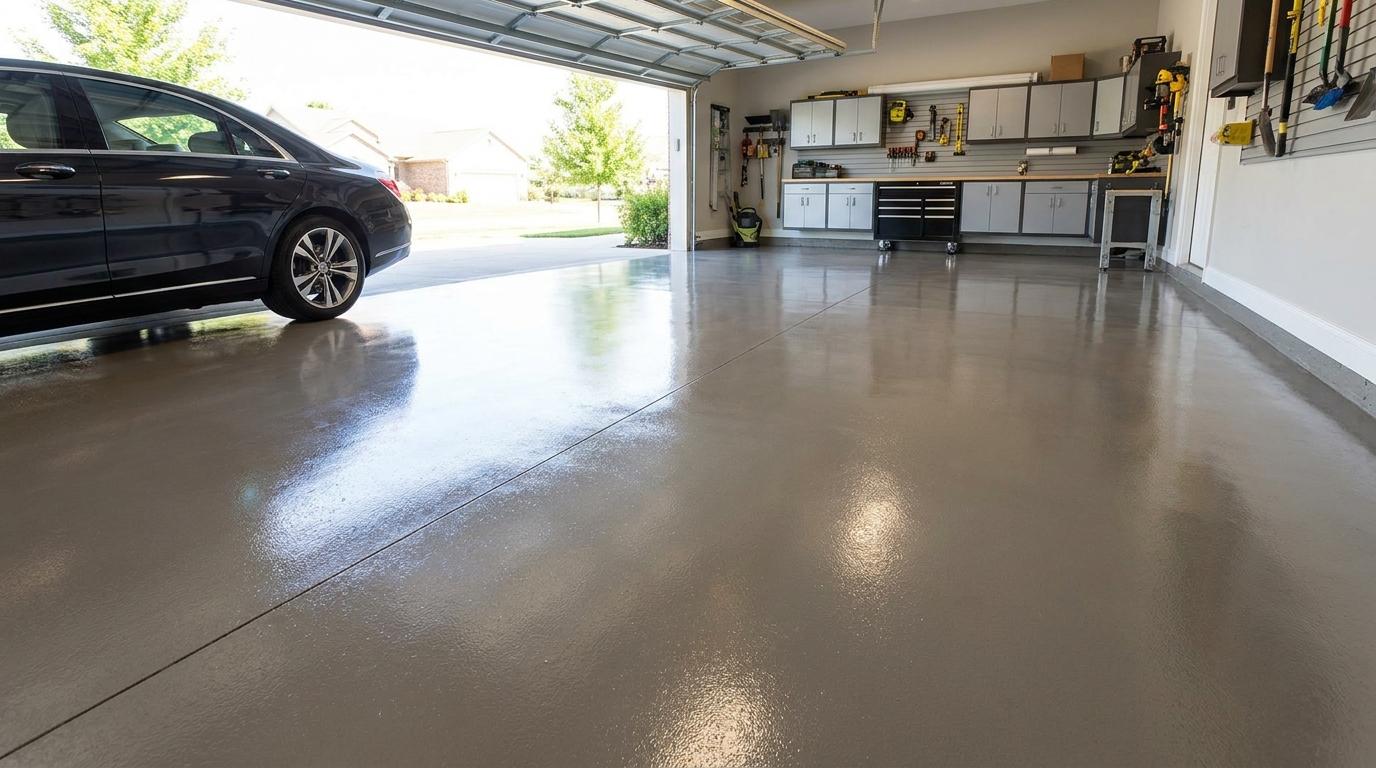
For exterior slabs, driveways, patios, walkways, a penetrating silane or siloxane sealer is almost always the safer choice. It lets the slab breathe while keeping water out. For interior slabs like basements and garages, a high-solids epoxy or polyurethane sealer delivers the durability those spaces demand. Atlanta Concrete Coatings serves properties from Atlanta to Alpharetta, Buford, and North Georgia, and the moisture conversation is one we have on nearly every estimate.
How to Match the Sealer to Your Project
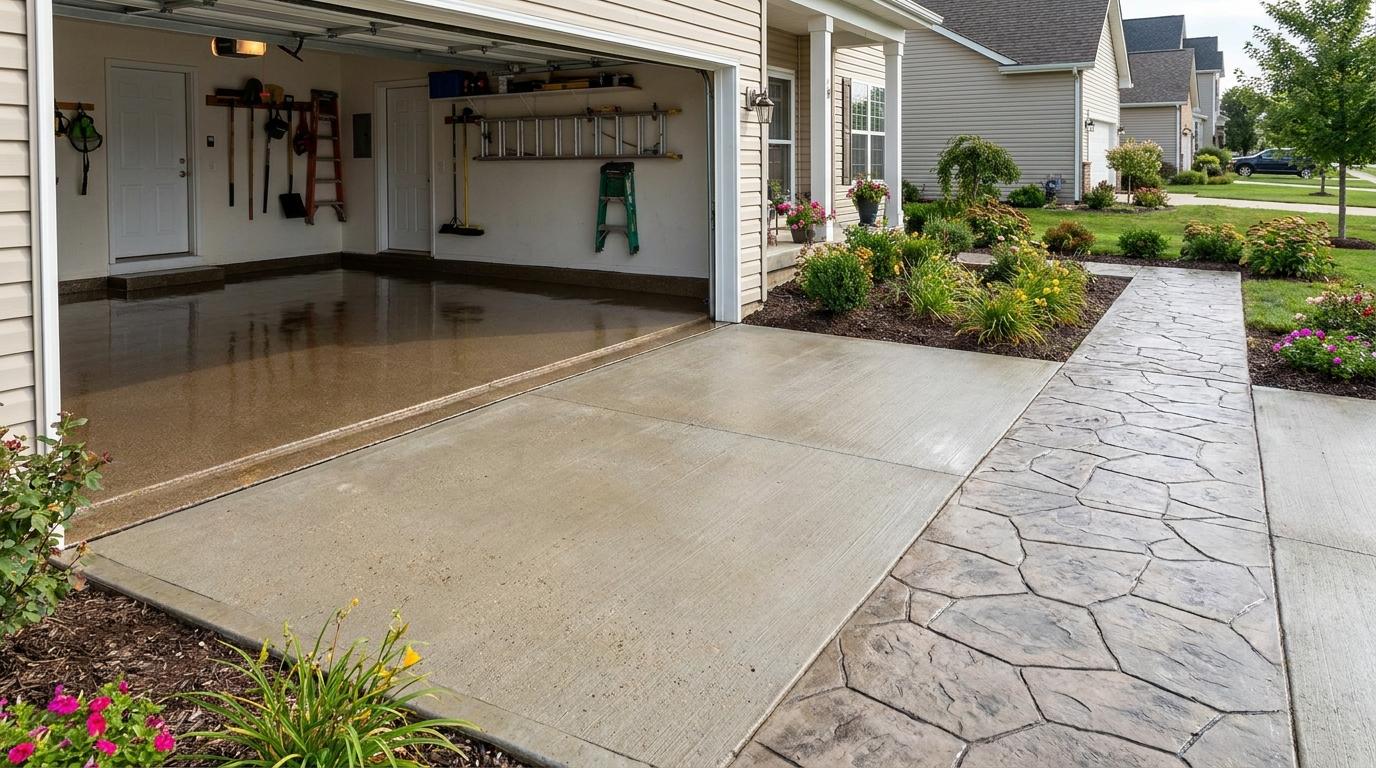
Use this quick reference guide to identify the ideal sealer chemistry based on your specific floor type and environmental exposure.
- Garage or workshop: epoxy or polyurethane film-forming sealer
- Exposed aggregate driveway: penetrating silane for invisible water protection
- Stamped patio: acrylic for color on a budget; polyurethane if sun exposure is high
- Basement floor: epoxy sealer over a moisture-vapor primer
- Polished concrete interior: siliconate densifier in the polishing process
The pattern is straightforward: interior spaces that see spills and traffic get film-forming sealers. Exterior slabs on Georgia clay get penetrating sealers. A covered porch, where either family could work, comes down to whether appearance or invisible protection matters more.
Frequently Asked Questions
How long does concrete sealer last before it needs to be reapplied?
Concrete sealer lifespan depends on the type and location. Penetrating silane sealers last 7 to 10 years because the barrier sits inside the concrete, protected from wear. Acrylic film-forming sealers need reapplication every 2 to 5 years on exterior surfaces. Epoxy and polyurethane sealers last 5 to 10 years indoors. The fastest way to shorten any sealer’s lifespan is applying it over a slab that hasn’t been moisture-tested.
Can I put a film-forming sealer over an existing penetrating sealer?
You can apply a film-forming sealer over a penetrating sealer if the surface is properly profiled first. Penetrating sealers leave no surface film, so there’s nothing to delaminate from. But a smooth slab won’t give a film-forming sealer enough grip. A light diamond grind or acid etch opens the pores so the new coating can bond. Skipping this step is why most recoat jobs fail within the first year.
Does a concrete patio in Georgia need to be resealed every year?
A concrete patio in Georgia does not need annual resealing if the right sealer was chosen. A penetrating silane sealer lasts 7 to 10 years; even an acrylic sealer should last 2 to 4 years under normal Georgia sun. If a sealer fails every year, the problem is moisture vapor pushing up from below the slab, an incompatible sealer for the exposure, or surface prep that was skipped on the original application.
Protect Your Concrete the Right Way
Choosing the right concrete sealer comes down to three questions: Is the slab inside or outside? Does it sit on Georgia clay? And do you want appearance enhancement or invisible protection? Answer those first, and you’ll know which type of sealer to use.
For Metro Atlanta homeowners and business owners who want a sealer matched to their slab and conditions, Atlanta Concrete Coatings provides free on-site estimates that include moisture testing and a specific recommendation. Call (770) 626-4524 or book your free estimate online to get started.